MARVEL Tōkon Fighting Souls Systems Explained
The gauges and tag rules that turn four Marvel fighters into one strategy.
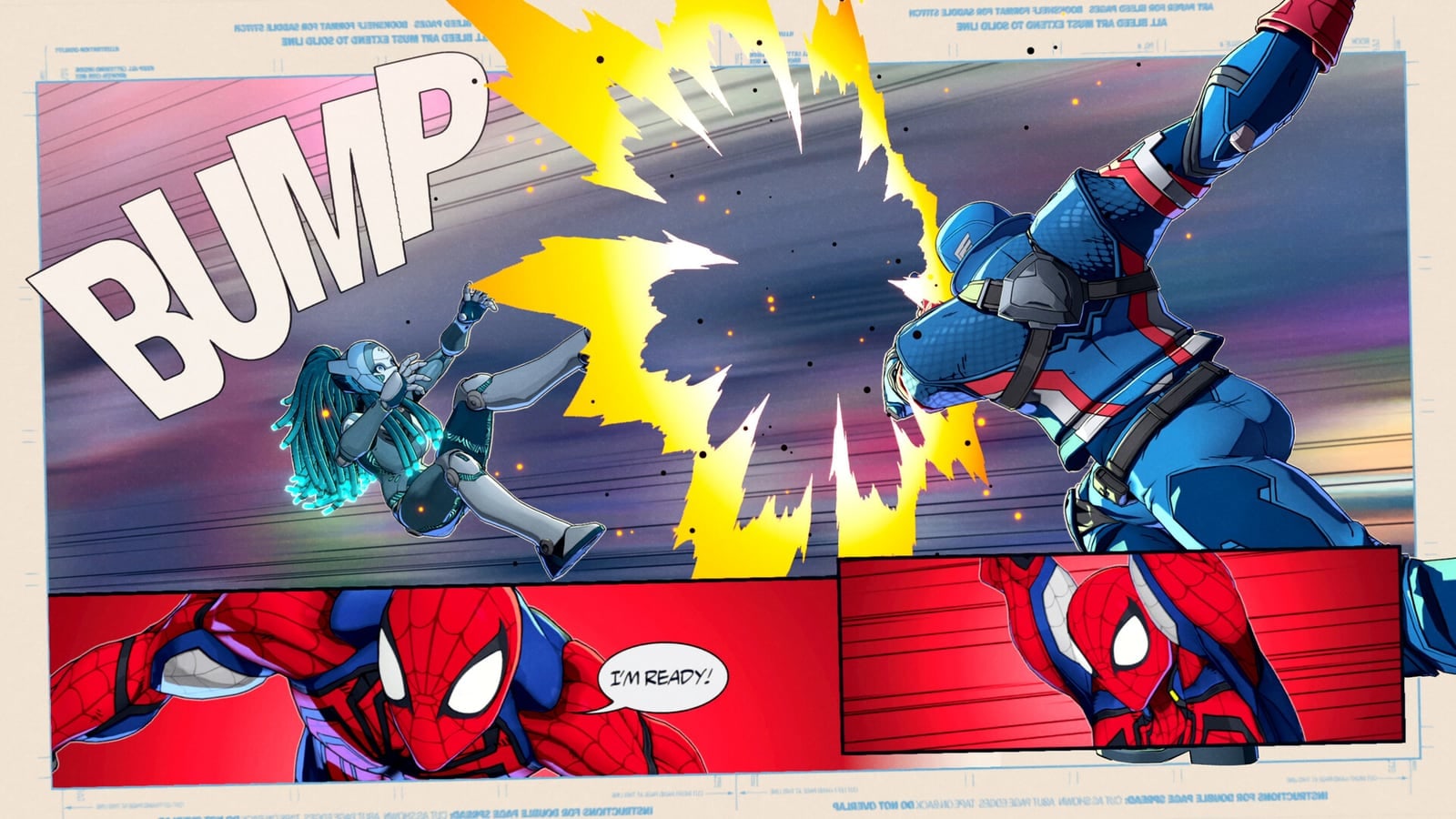
If How to Play is your onboarding path, this page is the rules engine. MARVEL Tōkon Fighting Souls borrows DNA from Arc System Works tag fighters and Marvel’s assist history, then paces matches so your full squad arrives through play, not menu bravado.
Vital Gauge — one life, growing pressure
Your team shares a Vital Gauge. As more fighters become available, the match’s stamina picture changes. That means greedy supers that “only cost your point character” in other games can actually tax the whole squad here. Play the life bar as a team resource.
Assemble Gauge — assists with intent
The Assemble Gauge governs assist calls. Directional Assemble inputs pick which bench seat answers (2nd / 3rd / 4th) and what style of cover they bring. Good players do not mash assist whenever the button lights up — they call for convert, for anti-air cover, or to escape a mix. Practical inputs and assist-to-switch live on Assists & Tags; role theory sits on Assist Roles.
Skill Gauge — EX and Ultimate payoff
The Skill Gauge fuels stronger EX actions and cinematic Ultimates. When fully stocked, Ultimate Skills become round-swinging tools. Coordinating meter across tags — reminiscent of delayed hyper-style sequencing in older Marvel fighters — is a mid-level skill. Beginners: spend meter to finish a confirmed hit, not to gamble neutral.
Wall Breaks — stage travel and unlock fuel
Wall Breaks trigger when high damage or specific corner conditions smash the arena boundary. Stages can transition into new Marvel locales, and Wall Breaks also feed the match’s team-unlock fantasy. Corner carry is not just damage — it is progression. Lab a single Wall Break route for your point character after basics feel stable, then learn which arenas exist on Stages & Maps.
Crossover tags — swapping the leader
A Crossover lets you tag a partner into the lead around offensive timing windows (before/after connecting attacks, depending on situation). Tags reset bad positions, extend pressure, and change which tools exist mid-string. Panic tags that eat your only escape are how casual sets end early.
Tokon Assemble — the comeback spectacle
Tokon Assemble is a high-drama team action tied to dangerous score states and full resource conditions (team unlocked, gauges ready). Treat it as a comeback highlighter, not a neutral stub. If you burn the conditions wrong, you will gift the opponent a free reset.
How systems interact in a real round
- Win early neutral with point tools.
- Call an assist to convert or to respect an approach.
- Drive toward corner for Wall Break value.
- Unlock remaining fighters and widen your tag options.
- Spend Skill Gauge on confirmed enders.
- Keep Tokon Assemble honest as a last-chapter swing.
Lab plan tied to systems
- 10 minutes: assist call on block strings
- 10 minutes: Crossover after a Medium confirm
- 10 minutes: corner route into Wall Break
- 10 minutes: meter management decisions (spend vs save)
Then validate in casual via Online. Character-specific applications live on pages like Captain America and Doctor Doom. Draft teams that actually use these systems in Team Builder.
Understanding systems is how you stop watching Marvel cutscenes happen to you — and start authoring them.
Frequently Asked Questions
Quick answers to the questions players ask most.
What is the Vital Gauge?
The shared team life resource. Damage and resource greed affect the whole squad picture.
What does a Wall Break do?
It transitions stages and contributes to the match’s team-unlock / momentum fantasy when you earn corner payoff.
When should I call assists?
On confirms, for anti-air cover, or to leave pressure — not on cooldown addiction. See Assist Roles.
What is Tokon Assemble?
A high-condition comeback team action. Save it for meaningful swings, not random neutral.
Where do I learn inputs for these systems?
Controls guide plus Startup Battle, then this page for meaning.